






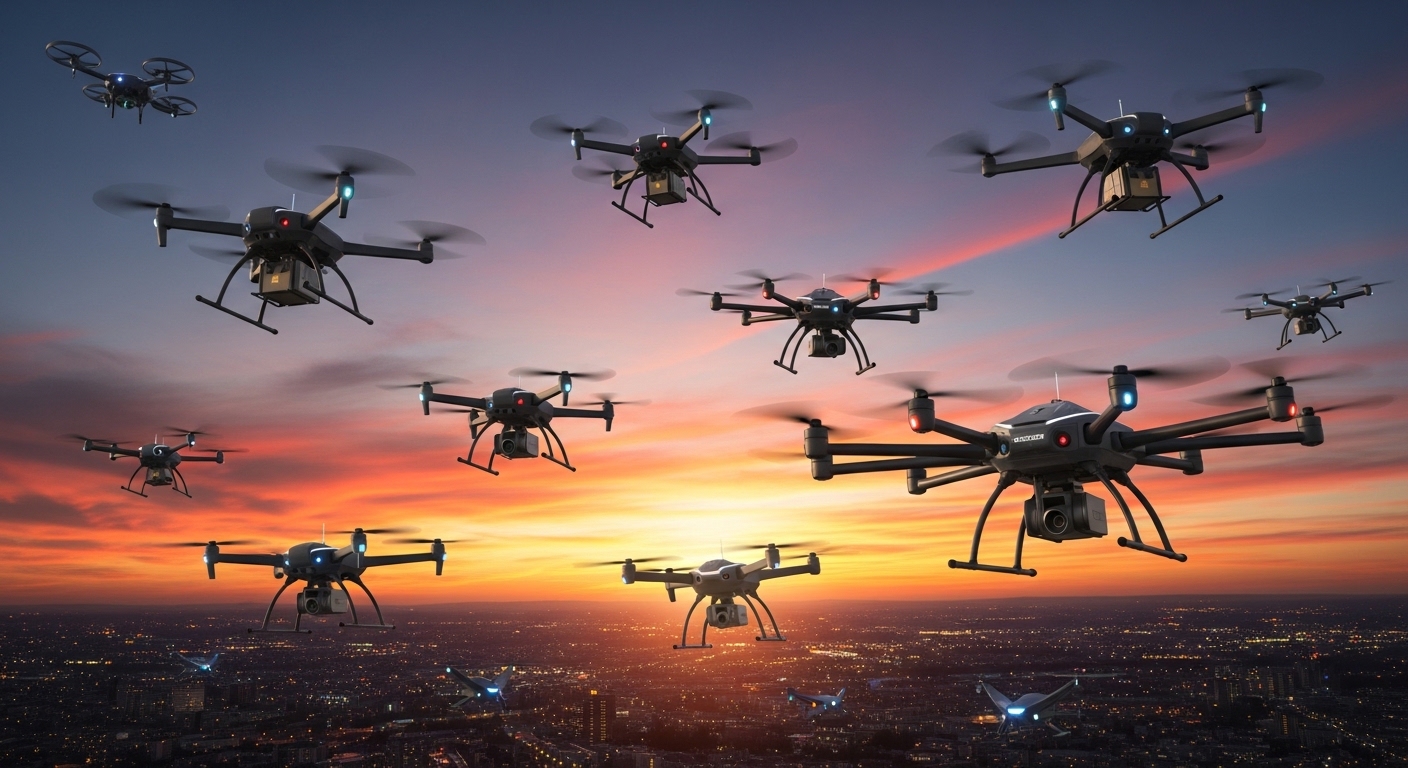
Drones have transformed the way we see and interact with the world. From hobbyists capturing breathtaking landscapes to professionals performing complex industrial tasks, drones are versatile tools with applications across countless industries. With so many options available, it can be overwhelming to understand the different types of drones and what they are best suited for. This guide will break down the main categories, their features, and their uses.
1. Consumer Drones
Consumer drones are designed for casual use, making them ideal for beginners or hobbyists. These drones are typically lightweight, easy to fly, and equipped with cameras capable of capturing high-quality photos and videos. Popular examples include drones from brands like DJI and Autel Robotics. Consumer drones are perfect for aerial photography, travel videos, and even basic recreational flying. They usually offer features like GPS stabilization, obstacle avoidance, and automated flight modes, which make them beginner-friendly.
2. Racing Drones
Racing drones, also known as FPV (First Person View) drones, are built for speed and agility. They are small, lightweight, and highly maneuverable, designed to navigate tight courses at high velocities. Racing drones often feature a live video feed, allowing pilots to experience flying from the drone’s perspective. While these drones can be used recreationally, they are primarily built for competitive racing events, where skill, precision, and quick reflexes are crucial.
3. Camera Drones / Photography Drones
Camera drones are specialized for capturing professional-grade photos and videos. They come equipped with advanced gimbal stabilization systems to ensure smooth footage and high-resolution cameras, sometimes even capable of shooting 4K or 8K videos. These drones are popular among filmmakers, photographers, real estate professionals, and social media content creators. Camera drones often include automated flight paths, obstacle detection, and tracking features, enabling creative shots that were once impossible without expensive equipment.
4. Industrial Drones
Industrial drones are designed for commercial applications such as surveying, agriculture, infrastructure inspection, and delivery services. These drones are often larger, more durable, and capable of carrying specialized equipment, like thermal cameras or multispectral sensors. In construction, they can survey sites safely and efficiently. In agriculture, they monitor crop health, spraying fertilizers or pesticides with precision. Industrial drones can also be adapted for tasks in harsh environments, such as monitoring pipelines or inspecting wind turbines, sometimes combined with metal finishing services for custom-built durability.
5. Mini Drones / Toy Drones
Mini drones are compact, affordable, and ideal for beginners, kids, or casual flyers. They are lightweight, easy to operate, and often don’t require registration. While they may lack the advanced features of higher-end drones, mini drones are perfect for indoor flying, practicing piloting skills, or just having fun. Some mini drones even include basic cameras for simple photography or video recording.
6. Hybrid / VTOL Drones
Hybrid drones, including VTOL (Vertical Take-Off and Landing) drones, combine features of fixed-wing and multirotor drones. They can take off and land vertically like a quadcopter but fly long distances like an airplane. These drones are ideal for mapping, surveying large areas, or search and rescue operations. VTOL drones offer extended flight times, greater range, and stability in various weather conditions, making them a favorite for professionals needing both endurance and versatility.
Choosing the Right Drone
When selecting a drone, consider your intended use, budget, and skill level. Hobbyists may prefer mini or consumer drones, while photographers might invest in camera drones with advanced stabilization. Industrial applications require specialized drones tailored to specific tasks. Regardless of type, safety and local regulations should always be a priority. Make sure to check airspace rules, registration requirements, and insurance options to ensure responsible flying.
Conclusion
Drones are no longer just toys; they are powerful tools with applications in entertainment, business, and industry. From racing enthusiasts zipping through obstacle courses to filmmakers capturing cinematic aerial shots, the right drone can elevate your experience. By understanding the different types of drones, their features, and applications, you can make an informed choice and enjoy everything the world of drones has to offer.
Whether you are just starting out or exploring advanced commercial solutions, there’s a drone type suited to your needs—and perhaps even a custom industrial design enhanced through metal finishing services for durability and performance. The sky is truly the limit.