









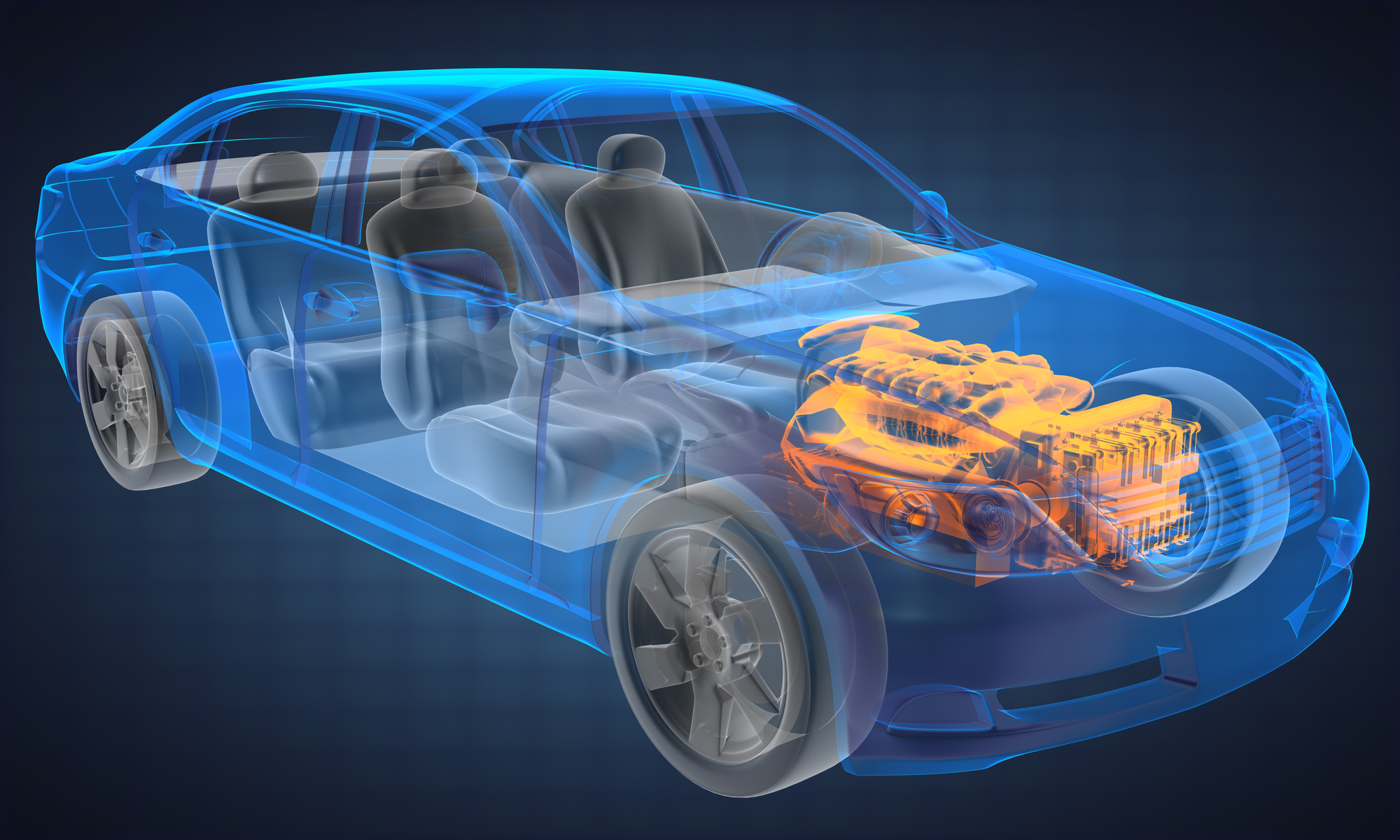
When drivers think about ride quality, they often focus on shocks, struts, or tires. But one of the most important components affecting comfort and vibration control sits under the hood: the engine mounts. These small but critical parts secure the engine to the vehicle’s frame while absorbing vibrations and movement generated during operation.
Without properly functioning engine mounts, your vehicle would feel rough, unstable, and noisy. Over time, worn mounts can impact not only comfort but also driveline alignment and surrounding components. Understanding how an engine mount works — and recognizing early warning signs — can help you maintain smooth performance and prevent secondary damage.
What Motor Mounts Actually Do
Engine mounts (also called motor mounts) serve two primary functions: securing the engine in place and dampening vibration.
Securing the Engine and Transmission
Your engine produces significant torque when accelerating. Without mounts, it would shift and twist excessively within the engine bay. Engine mounts anchor the engine and, in many cases, the transmission to the vehicle’s subframe or chassis.
Most vehicles use multiple mounts positioned strategically to control movement in different directions. These mounts are typically constructed from metal brackets bonded to rubber or hydraulic-filled bushings. The rubber or fluid absorbs engine vibration while still providing structural stability.
Reducing Vibration and Noise
Internal combustion engines generate constant vibration. Motor mounts isolate these vibrations from the cabin, preventing them from transferring into the steering wheel, floorboard, and seats. When mounts begin to wear, drivers often notice increased vibration, especially at idle.
Maintaining Driveline Alignment
Proper engine positioning is essential for correct drivetrain geometry. If mounts deteriorate, the engine can shift slightly under load. This misalignment may place extra stress on drivetrain components such as the cv axle and transmission mounts. Over time, this additional strain can accelerate wear on connected parts.
In some cases, worn mounts can also contribute to abnormal suspension or steering feel. For example, if engine movement affects steering geometry, drivers may mistakenly suspect components like a tie rod end when the root cause is excessive drivetrain movement.
Symptoms of Worn Engine Mounts
Engine mounts typically last many years, but heat, oil exposure, and constant stress eventually degrade the rubber or hydraulic material inside them. Recognizing the warning signs early can prevent further mechanical issues.
Excessive Vibration at Idle
One of the most common symptoms of failing motor mounts is increased vibration while stopped at a red light. If your vehicle feels noticeably rough in drive but smooths out slightly when accelerating, worn mounts may be the cause.
Clunking or Thumping Noises
When mounts lose their ability to secure the engine firmly, the engine may shift during acceleration or braking. This movement can produce clunking or thumping sounds from the engine bay.
Engine Movement Under Acceleration
If you notice the engine visibly rocking when revving the engine (with the hood open), that may indicate a failed mount. Excessive movement can place strain on exhaust components, hoses, and wiring.
Difficulty Shifting
In manual transmission vehicles, worn mounts can alter drivetrain alignment enough to affect shifting smoothness. In automatic vehicles, drivers may feel harsh engagement when shifting from park to drive or reverse.
Visible Cracks or Leaks
Inspecting mounts visually can reveal cracked rubber, separated brackets, or leaking hydraulic fluid (in hydraulic mounts). Any of these signs indicate replacement is necessary.
Why Timely Replacement Matters
Ignoring worn engine mounts can lead to cascading issues. As the engine shifts more freely, stress transfers to other components. Exhaust manifolds can crack, hoses can stretch or break, and drivetrain components can wear prematurely.
Additionally, ride quality suffers significantly. Vibrations that were once absorbed by healthy mounts will transfer directly into the cabin, reducing comfort and potentially causing driver fatigue during longer trips.
Replacing worn mounts restores engine stability, improves ride smoothness, and protects connected components. While replacement cost varies depending on vehicle type and mount location, addressing the issue early is typically more affordable than repairing secondary damage.
Professional diagnosis is recommended if symptoms overlap with suspension or steering concerns. Because vibration and noise can originate from multiple systems, confirming the source ensures accurate repair.
Conclusion
Engine mounts play a critical role in vehicle performance, stability, and ride comfort. By securing the engine and absorbing vibration, they protect both the drivetrain and the driving experience itself.
When mounts wear out, symptoms like vibration, clunking noises, and shifting issues can quickly develop. Left unaddressed, these problems may lead to further damage to components such as the cv axle or steering system parts.
Routine inspection and timely replacement of worn mounts help maintain smooth acceleration, consistent alignment, and overall ride quality. Though often overlooked, engine mounts are essential to keeping your vehicle running comfortably and reliably mile after mile.
READ ALSO: How SOC 2 Compliance Software Boosts Security and Trust